The pursuit of healthy, lustrous hair is a common goal, but many of us inadvertently sabotage our efforts with everyday habits. From the shower to our styling routine, a few common missteps can lead to dryness, breakage, an unhealthy scalp, and a general lack of shine. This article analyzes five critical areas of hair care where mistakes are often made and provides practical, actionable advice to correct them, ensuring you can finally achieve the vibrant, healthy hair you desire.
The frequency with which you wash your hair is a cornerstone of good hair care, and it’s a spectrum where both extremes can cause problems. Many people tend to overwash their hair, mistakenly believing that more frequent shampooing results in cleaner, healthier hair. However, stripping the scalp of its natural oils too often can lead to a cascade of issues.
The Perils of Overwashing
When you shampoo too frequently, you remove the sebum, the natural oil produced by your scalp. While excess sebum can make hair look greasy, a moderate amount is crucial for keeping your hair moisturized, protected, and pliable. Overwashing can lead to a dry, irritated scalp, which may then overcompensate by producing even more oil, creating a frustrating cycle. Your hair might start to feel brittle, appear dull due to the lack of natural lubrication, and become more prone to breakage. This is particularly true for those with naturally dry or chemically treated hair.
Identifying Signs of Overwashing
Pay attention to your hair and scalp. Does your scalp feel tight and itchy after washing? Does your hair feel stripped, rough, and prone to static? Are you noticing more frizz than usual, even after conditioning? These are strong indicators that you might be washing your hair more often than necessary. Especially if you’re accustomed to the feeling of freshly washed hair, resisting the temptation to reach for shampoo daily can be challenging. However, the long-term consequences can be detrimental.
The Dangers of Underwashing
The other end of the spectrum is underwashing. While it might seem counterintuitive, not washing your hair enough can also lead to problems. When sebum, dirt, product buildup, and dead skin cells accumulate on your scalp and hair strands, they can clog hair follicles. This blockage can impede healthy hair growth and contribute to scalp issues like dandruff and inflammation. Greasy hair, a dull appearance, and an unpleasant odor are also obvious signs that your hair needs a thorough cleanse.
Recognizing the Symptoms of Underwashing
If your hair consistently looks oily within hours of washing, feels heavy and weighed down, or your scalp exhibits flakiness (which isn’t always dandruff but can be product buildup), you might not be washing your hair frequently enough. A persistent, unpleasant odor, even when your hair isn’t visibly greasy, can also be a sign of accumulated impurities. It’s important to differentiate between a healthy sheen and greasy buildup.
Finding Your Personal Wash Schedule
The key here is personalization. There’s no one-size-fits-all answer. The ideal washing frequency depends on your hair type, lifestyle, and the products you use. Generally, if you have oily hair, you might need to wash it every day or every other day. Those with normal hair might find washing every two to three days sufficient. For dry or curly hair, washing once or twice a week could be ideal. Experimentation is crucial. Try extending the time between washes by a day and observe how your hair and scalp react. Consider using a dry shampoo on non-wash days to absorb excess oil and refresh your hair. When you do wash, opt for a sulfate-free shampoo in lukewarm water, as hot water can also strip natural oils. Focus the shampoo on your scalp where the oil and dirt accumulate, and let the lather gently cleanse the lengths of your hair.
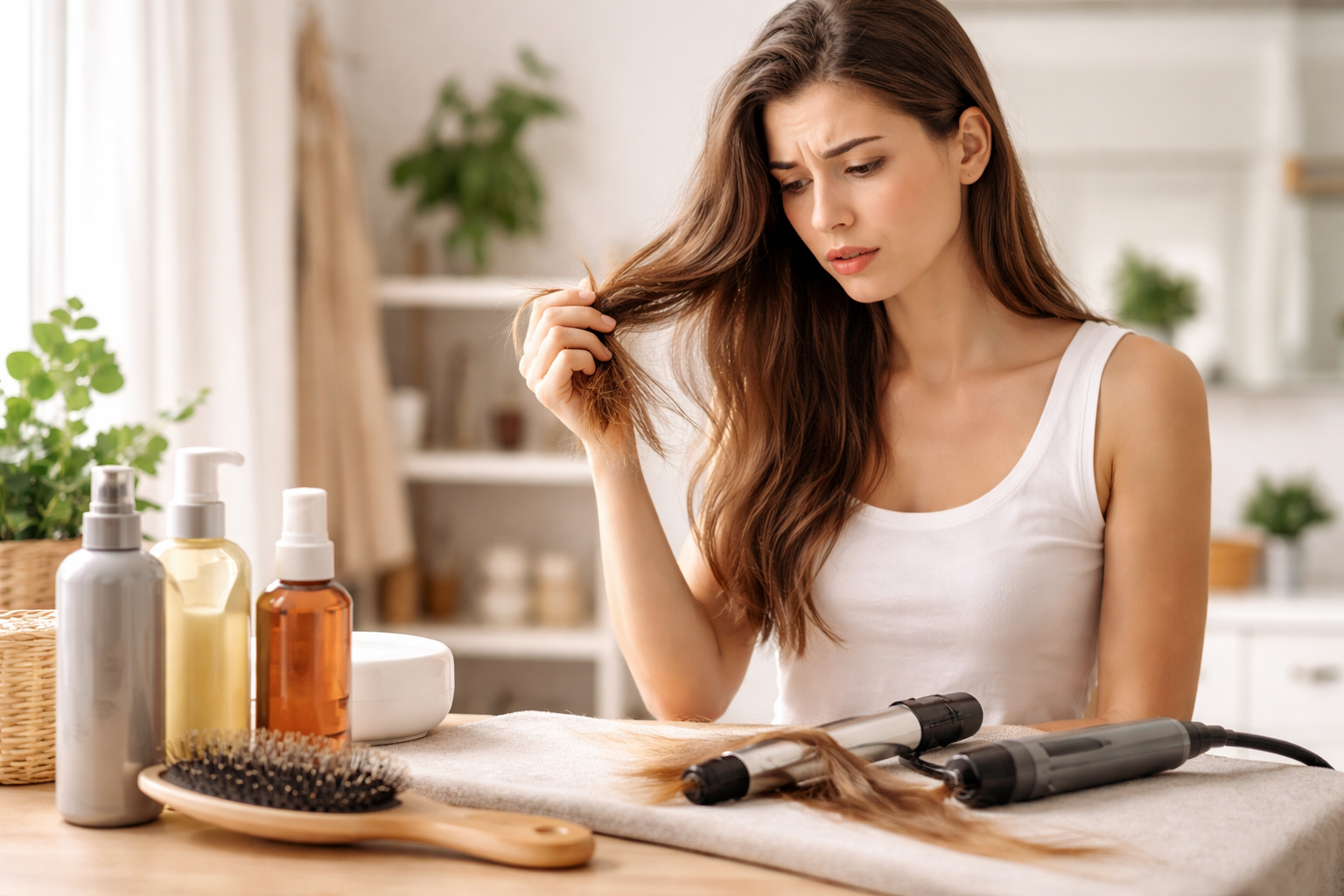
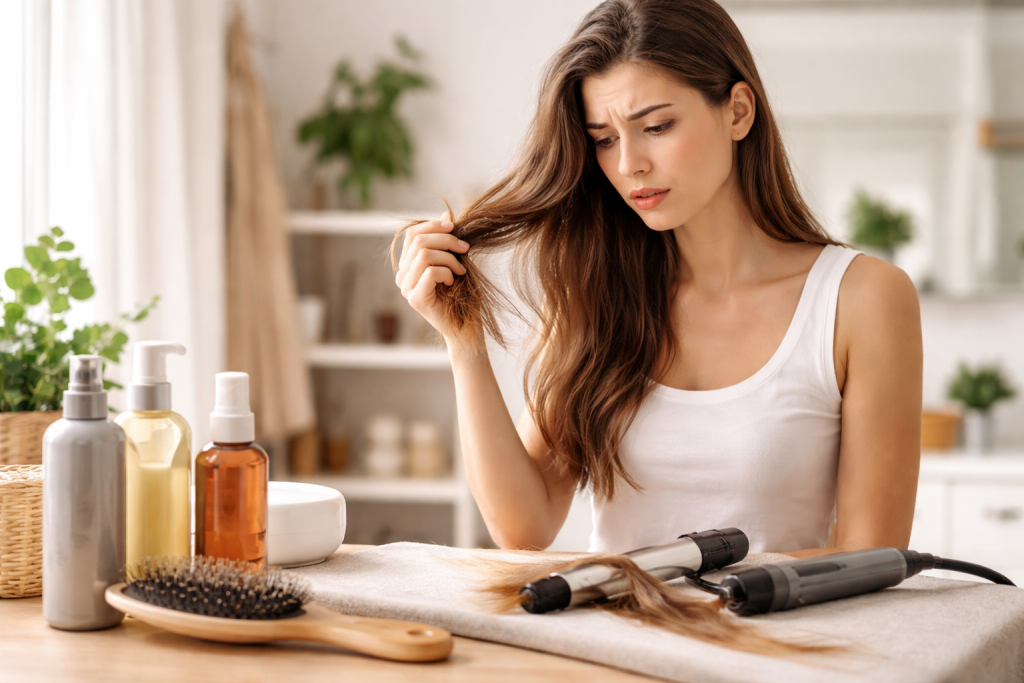
In our quest for perfectly styled hair, heat styling tools are often indispensable. Blow dryers, curling irons, straightening flat irons, and even hot rollers can significantly alter the appearance of our hair, offering volume, sleekness, and waves. However, constant exposure to high temperatures can wreak havoc on the hair cuticle, leading to dryness, breakage, and a loss of elasticity.
The Molecular Breakdown Caused by Heat
When hair is exposed to excessive heat, the water molecules within the hair shaft expand and then evaporate rapidly. This process can weaken the internal structure of the hair, making it brittle and prone to snapping. The outer layer of the hair, the cuticle, which is responsible for protecting the inner cortex and maintaining shine, can become lifted and damaged. This compromised cuticle leads to frizz and dullness and makes the hair more susceptible to environmental damage.
Recognizing the Signs of Heat Damage
Your hair might feel rough, porous, and dry to the touch. You may notice an increase in split ends, which are a clear indication of breakage. Hair that was once resilient and elastic might become limp and easily broken. Another telling sign is a complete loss of shine. If your hair feels gummy or mushy when wet, it’s a severe sign of heat damage.
Preemptive Strike: Protecting Your Strands
The most effective way to combat heat damage is to minimize the use of heat styling tools whenever possible. Embrace your hair’s natural texture. When heat styling is necessary, always use a heat protectant spray or serum. These products form a barrier around the hair shaft, shielding it from the direct impact of high temperatures.
Choosing the Right Heat Protectant
-drying Look for heat protectants that contain silicones (like dimethicone or cyclomethicone), which create a smooth surface and help distribute heat evenly, as well as humectants that draw moisture to the hair. Apply liberally to damp hair before blow-drying and to dry hair before using irons or other heated tools.
The Art of Lower Temperatures
Another crucial step is to use the lowest effective heat setting on your styling tools. Many people crank up the heat unnecessarily, thinking it will achieve results faster. However, most styling can be accomplished with moderate temperatures. For blow dryers, use a medium or cool setting and always move the dryer constantly, rather than focusing on one spot for too long. When using flat irons or curling irons, start with the lowest temperature that can effectively style your hair and gradually increase only if absolutely necessary. Invest in tools with ceramic or tourmaline plates, as these distribute heat more evenly and can reduce damage compared to metal plates. Allow your hair to air dry partially before using a blow dryer, as the result reduces the amount of time it’s exposed to heat.
The sheer volume of hair care products available can be overwhelming, and it’s easy to fall for marketing hype or simply grab whatever is on sale. However, using the wrong products for your specific hair type is a common pitfall that can lead to a host of problems, from dryness and frizz to an oily scalp and lack of volume. Understanding your hair’s unique needs is paramount.
Identifying Your Hair Type: The Foundation of Product Choice
Hair types can be broadly categorized based on texture and thickness, but it’s a spectrum. Straight hair, wavy hair, curly hair, and coily hair all have different needs. Within these categories, hair can also be fine, medium, or thick, and it can be oily, dry, or normal.
Understanding Texture and Curl Patterns
Straight hair tends to get oily faster and may appear flatter, requiring lightweight products. Wavy hair can range from loose S-shapes to more defined waves; it often benefits from products that enhance definition without weighing it down. Curly hair (from loose curls to corkscrews) often needs moisture and products that define the curl pattern and combat frizz. Coily hair, with its tightest curls and zig-zag pattern, is typically the driest and most prone to shrinkage, requiring rich, moisturizing ingredients.
The Impact of Product Formulation
Product formulations are designed with specific hair needs in mind. Shampoos and conditioners for oily hair are often formulated to deep cleanse without overburdening. Products for dry hair typically contain more moisturizing ingredients like natural oils, butters, and hyaluronic acid. Fine hair can be easily weighed down by heavy creams and oils, so it needs lighter, volumizing formulas. Thick or coarse hair might require richer, more emollient products to combat dryness and frizz.
Decoding Ingredient Lists
sodium lauryl sulfate) Learning to read ingredient labels can be incredibly helpful. Look for ingredients that address your hair’s specific concerns. For instance, if your hair is dry, seek oils like argan, coconut, or shea butter. For fine hair, ingredients like panthenol (pro-vitamin B5) can add body and moisture without greasiness. Avoid products with harsh sulfates (like sodium lauryl sulfate) if your hair is dry, colored, or chemically treated, as they can strip natural oils.
The Power of Trial and Error
Discovering the ideal product or product line often requires some experimentation. Start by identifying your dominant hair type and concerns. Read product descriptions carefully and choose products that align with those needs. Don’t be afraid to try deluxe samples or travel-sized versions before committing to full-sized bottles. Pay attention to how your hair feels and behaves after using a new product. If it weighs your hair down, makes it feel dry, or worsens its appearance, it’s likely not the right fit. Consider consulting a hairstylist who can assess your hair and recommend appropriate product categories.
It might seem counterintuitive to cut hair that you’re trying to grow, but regular trims are one of the most crucial, yet often neglected, aspects of healthy hair maintenance. Ignoring them can lead to a surprising number of problems that hinder your hair’s overall health and appearance.
The Onset of Split Ends and Breakage
and duller The primary reason for regular trims is to combat split ends. When the ends of your hair become damaged, they fray, and the damage can travel upwards along the hair shaft. This leads to breakage, making your hair look thinner and duller and preventing it from reaching its desired length. Without regular trims, split ends multiply, creating a tangled mess and making your hair appear unhealthy and neglected.
Understanding the Hair Shaft’s Vulnerability
The ends of your hair are the oldest and most exposed part of the hair shaft. They have endured the most styling, environmental exposure, and manipulation. Consequently, they are the most vulnerable to damage. A split end is essentially a tear in the cuticle and cortex of the hair. Once this damage occurs, it cannot be repaired. The only solution is to remove the damaged section.
The Illusion of Growth and Volume
While a trim technically removes length, it actually promotes healthier growth in the long run. By removing damaged ends, you prevent further breakage, allowing your hair to grow out stronger and healthier. Without trims, your hair can appear thinner and less voluminous because the damaged portions are often wispy and uneven. Regular trims ensure a more uniform and fuller-looking silhouette, which can make your hair appear as though it’s growing faster because it’s not breaking off.
The Aesthetic and Structural Benefits
Beyond preventing breakage, regular trims maintain the shape and style of your haircut. Whether you have a blunt bob, long layers, or an intricate cut, consistent trims ensure that the lines remain sharp and the style cohesive. This simple act of maintenance contributes significantly to the overall aesthetic appeal of your hair, making it look more polished and cared for.
The Recommended Frequency for Trims
For most hair types, a trim every six to eight weeks is generally recommended. However, this can vary. If you have very fine hair or are trying to grow your hair out, you might be able to stretch this process to ten or twelve weeks, provided you’re diligently caring for your ends. Conversely, if your hair is chemically treated, prone to damage, or you style it frequently with heat, you might benefit from trims as often as every four to six weeks. It’s about maintaining the health of the existing hair, not stunting your growth by constantly cutting. Don’t be afraid to communicate your hair goals with your stylist to ensure your trims align with them.
We often slather on sunscreen for our skin, but we frequently forget that our hair and scalp are also vulnerable to the damaging effects of the sun’s ultraviolet (UV) rays. Prolonged sun exposure can lead to dryness, color fading, and a compromised scalp.
UV Rays and Their Impact on Hair
Just as UV radiation can damage skin cells, it can also degrade the protein structure of the hair, primarily keratin. This damage can make hair feel dry, brittle, and less elastic. The melanin pigment in your hair, which gives it its color, is also susceptible to UV damage. This aging process can cause color-treated hair to fade prematurely and natural hair to become lighter and brassier over time.
The Scalp’s Vulnerability
Your scalp, being skin, is particularly susceptible to sunburn. A sunburned scalp is not only painful but can also lead to peeling, flakiness, and, in severe cases, even increase the risk of skin cancer. Sun-damaged scalp can also affect hair growth by creating an unhealthy environment for the follicles.
Safeguarding Your Strands from the Sun
Fortunately, protecting your hair from the sun is relatively straightforward. The easiest and most effective method is to physically shield your hair.
Harnessing the Power of Headwear
Your first line of defense is to wear hats, scarves, or caps whenever you’re spending extended periods in the sun. Wide-brimmed hats offer excellent protection for both your hair and scalp. If you have long hair, consider braiding it or tying it up under your headwear to prevent tangles and further exposure.
Utilizing UV-Protectant Hair Products
In addition to physical barriers, there are now numerous hair care products formulated with UV filters and protective ingredients. Look for shampoos, conditioners, leave-in treatments, and styling sprays that specifically mention UV protection. These products can help to deflect UV rays and provide a barrier against sun damage. Apply them as you would other styling products, ensuring even distribution through your hair. Reapplication may be necessary after swimming or prolonged exposure.
The way you brush and style your hair can have a profound impact on its health. Aggressive brushing, using the wrong tools, or employing harsh styling techniques can lead to breakage, frizz, and overall damage, negating even the most diligent care routine.
The Mechanics of Damaging Brushing
Many people are guilty of aggressively ripping through tangles or brushing their hair from root to tip, regardless of how dry or tangled it is. This forceful pulling puts unnecessary stress on the hair shaft, leading to breakage and split ends. Dry hair, especially when curly or wavy, is more fragile and prone to snapping when subjected to this kind of treatment.
The Ripple Effect of Rough Handling
When you brute-force your way through tangles, you don’t just break strands; you also disrupt the hair cuticle. This causes the cuticle to lift and become uneven, leading to increased frizz and a dull appearance. Over time, this disruption can weaken the hair’s overall structure, making it more susceptible to further damage.
The Art of Gentle Detangling
The key to proper brushing lies in patience and the right technique. Always start by detangling from the ends of your hair and working your way up towards the roots. This gradual approach allows you to gently loosen knots without yanking and snapping the strands. Use a wide-tooth comb or a brush specifically designed for detangling, especially for wet hair, which is more elastic and prone to stretching.
The Right Tools for the Job
Invest in quality brushes and combs. For daily brushing, a boar bristle brush can help to distribute natural oils from the scalp down the hair shaft, promoting shine and smoothness. For detangling, a wide-tooth comb, a Tangle Teezer, or a Wet Brush are excellent choices. If you have very curly or coily hair, consider finger detangling or using a styling cream to provide slip and aid in the process. Detangle your hair when it’s damp, and consider applying a leave-in conditioner or detangling spray to make the process easier and more effective.
Styling with Care
Beyond brushing, many styling practices can also cause damage. Tight ponytails and braids can pull on the hair follicles, leading to tension alopecia and breakage, especially around the hairline. Let your hair rest from tight styles regularly. Avoid excessive heat styling as previously discussed, and when using styling tools, ensure they are in excellent working condition and not snagging or pulling your hair. When blow-drying, use an appropriate nozzle and direct the airflow down the hair shaft.
It’s easy to focus all our hair care attention on the strands themselves, but the health of your hair is intrinsically linked to the health of your scalp. A neglected scalp can lead to various issues that directly impact hair growth and vitality.
The Scalp’s Crucial Role
Your scalp is where your hair grows from. A healthy scalp provides a conducive environment for hair follicles to function optimally, producing strong, healthy hair. When the scalp is unhealthy, whether due to dryness, oiliness, inflammation, or product buildup, it can hinder hair growth, lead to hair thinning, and contribute to scalp conditions like dandruff and itchiness.
Understanding Scalp Issues and Their Causes
Dry scalp can be caused by overwashing, harsh shampoos, or environmental factors like low humidity. It often results in itching and flaking. Genetics, hormones, or overly heavy products can exacerbate overactive sebaceous glands, leading to oily scalp. Shampoo’s failure to effectively remove residues from styling products, conditioners, or dry shampoo leads to product buildup, clogged pores, and an unhealthy environment. Inflammation can be caused by various factors, including allergic reactions to hair products, stress, or underlying skin conditions.
The Importance of Scalp Care Rituals
Making scalp care a regular part of your hair hygiene routine is essential. This goes beyond simply shampooing.
Exfoliating for Clarity
Regularly exfoliating your scalp can help to remove dead skin cells, product buildup, and excess oil, promoting clearer pores and healthier hair growth. You can use a dedicated scalp scrub, a product containing salicylic acid or AHAs, or even a DIY mixture of sugar and carrier oil. Massage the exfoliant gently into your scalp for a few minutes before rinsing thoroughly.
Nourishing and Soothing Treatments
Consider incorporating scalp treatments into your routine. Scalp massages can improve circulation, which is beneficial for hair growth. Use nourishing oils like jojoba, coconut, or rosemary oil (diluted with a carrier oil) to moisturize a dry scalp or to soothe an irritated one. For oily scalps, using ingredients like tea tree oil or apple cider vinegar in a diluted rinse can help balance oil production.
Choosing the Right Scalp-Focused Products
When selecting hair care products, don’t overlook those specifically designed for scalp health. Look for shampoos and conditioners that gently cleanse and address your particular scalp concerns, whether it’s dryness, oiliness, or sensitivity. If you experience persistent scalp issues like severe dandruff, itching, or hair loss, it is always advisable to consult a dermatologist or trichologist to diagnose the underlying cause and receive appropriate treatment. A healthy scalp is the bedrock of beautiful hair, and investing time in its care will yield significant rewards for your hair’s overall health and appearance.
FAQs
1. What are some common hair care mistakes that people make?
Some common hair care mistakes include overwashing or underwashing, using the wrong products for your hair type, neglecting regular trims, not protecting your hair from the sun, and improper brushing and styling techniques.
2. How can I find the right balance for washing my hair?
Finding the right balance for washing your hair involves understanding your hair type and its specific needs. It’s important to consider factors such as oiliness, dryness, and styling products when determining how often to wash your hair.
3. What are some tips for protecting my hair from heat damage caused by styling tools?
To protect your hair from heat damage, it’s important to use heat protectant products, adjust the temperature of your styling tools, and minimize the frequency of heat styling. Additionally, incorporating deep conditioning treatments can help to restore moisture and prevent damage.
4. How can I identify my hair type and choose the right products?
Identifying your hair type involves understanding factors such as texture, thickness, and porosity. Once you’ve determined your hair type, you can choose products specifically formulated to address your hair’s unique needs, such as shampoos, conditioners, and styling products.
5. Why is scalp care important for maintaining healthy hair?
Scalp care is important for maintaining healthy hair because the scalp is where hair growth begins. By keeping the scalp clean and properly moisturized, you can promote healthy hair growth and prevent issues such as dandruff and scalp irritation.